Archive for
February 14th, 2009


Stories

Blogging Positively: Join the Global Conversation on HIV/AIDS

This Valentine's Day (February 14) marks not only the start of a Global Voices campaign asking people to “Teach Someone You Love to Blog or Micro-Blog,” it also kicks off a series of health-related activities focused on HIV/AIDS to encourage more people infected and affected by the disease to blog.

More than 33 million people live with HIV, and at least 2 million have died of AIDS in the past year. Blogs from around the world are putting stories to these statistics, though, sharing insights on living with the disease, caring for someone with HIV/AIDS, and experiences with stigma and discrimination. These blogs have helped provide firsthand accounts of the disease's impact globally.

As part of an ongoing discussion on the issue of blogging to address HIV/AIDS issues, Global Voices and Rising Voices will be hosting a live online “Blogging Positively” chat for bloggers and activists on February 27, 2009. The chat will be facilitated by Kenyan bloggers Serina Kalande and Daudi Were. Everyone is welcome.

Local Times: New York 09:00 | Buenos Aires 12:00 | London 14:00 | Johannesburg, Beirut 16:00 | Nairobi, Moscow 17:00 | New Delhi 19:30 | Hong Kong 22:00 | Tokyo 23:00

Chatroom: http://www.worknets.org/chat/. Login using your name and then select the room you want to join by clicking enter. Once in the room, select a font color on the left side of the screen and join the chat.

Mapping the Voices
Global Voices also launched an embeddable Google map of HIV-positive bloggers and caretakers, and other citizen media related to HIV/AIDS last December as part of World AIDS Day. The map, which is continuously being updated, highlights the brave people who are already blogging about this disease. One such blogger is Maureen Akinyi in Nakuru, Kenya. She says that blogging anonymously about having HIV/AIDS doesn't help reduce the discrimination around the disease, and that people need to blog positively without fear. In this post she talks about how participating in a beauty contest can help fight the stigma around HIV:

“I was one of the contestants of the Mr. and Miss Red Ribbon 2008 event at Hotel Bontana Nakuru; it was not my first time to contest. I have been contesting since 2006 and have been enjoying every moment of the event because of one thing, effective reduction of stigma and discrimination. Mr. and Miss Red Ribbon brings together both affected and infected to celebrate beauty in a unique way. During the event audience appreciate beauty by seeing models but not the affected or the infected.”

ukguy lives in the United Kingdom and has been living with HIV since the 1980s. He writes about his experiences being a dyslexic, HIV-positive, gay man on his blog The ramblings. In this recent post he talks about how bringing up headaches and a potential eye infection during a doctor's visit made him feel bad.

“As I left the clinic I realized that I was not very happy with the outcome of this consultation. Of course I am very pleased that there is no infection. But I was left feeling that yet again I seemed to be making a fuss over nothing. I often feel that my concerns are not always taken on board, my HIV doctor is very good and I know that he is interested in my health.

Maybe its me, maybe I am the one that needs to get a grip?

I guess the longer you live with HIV, it does not always mean that you worry less.”

Pinoy Poz, who lives in the Philippines, came out about being gay at the age of 21, but nine years later went “back in the closet” after finding out he was HIV positive. Despite that, in this post he reflects on all the ways he feels lucky.

“With the Chinese New Year ushering in the Year of the Ox, everyone’s been talking about luck. And from all the features I’ve watched, 2009 should actually be a lucky year for me, being born in the Year of the Horse. But I believe my good luck started last year, when I found out I was HIV-positive.

You know that I’ve always regarded myself as lucky despite the fact that I’m now HIV-positive. I’m lucky that it isn’t some other more severely debilitating disease that I have. I’m lucky that I found out relatively early on that I had it, and still wasn’t manifesting any symptoms. I’m lucky that I had a pretty decent CD4 count to begin with. I’m lucky that I’ve gotten through the challenges of starting on ARVs [antiretroviral drugs]. I’m lucky that I’ve made the choices to get to where I am now. I’m lucky to have encountered the greatest people along my HIV journey.”

These are just some of the amazing voices featured on the Blogging Positively map. To encourage other people to share their HIV/AIDS stories, Global Voices is creating a “Blogging Positively Guide,” which will provide valuable advice on how to blog about HIV/AIDS issues. We are looking for help to create the Guide and/or to give feedback, so those interested in or already blogging about the pandemic are encouraged to participate, particularly those living with or affected by HIV/AIDS. Please contact me or Janet Feldman for more information on the Blogging Positively Guide, chat, or map.

Jordan: Empowering Women, Emos and Live MeshVideo post

Jewelry desigher/activist Nadia Dajani talks to 7iber.com about her profession, and how she empowers women in Jordan by teaching them how to make and sell handmade well-crafted jewelry:

Nadia Dajani is a rare woman who has been able to combine her talents, unique upbringing and passion to succeed on her own terms in Amman. Even rarer, she is bringing other women along a parallel path with her from some diverse regions of the Middle East. We had the privilege of learning more about Nadia herself, her work, and the where she is taking her expanding vision.

7iber: In addition to being an artist and business woman, you created a new niche in empowering underprivileged local women.

ND: I am a strong advocate for corporate social responsibility, and giving back to the community and to society inspires my work. All our products are handmade in Jordan by Jordanian ladies. Till now, I have trained over thirty needy women in the art of jewelry making in order to provide a livelihood for their families. Most are illiterate, have no education, some even physically challenged, but they are now learning the same principles which propelled me at St. Paul’s. Many have natural artistic inclinations, but of course, had no outlet for these artistic tendencies. I look for women who are enthusiastic about wanting to learn, and to create- for if the love of making a piece is missing, an element of its beauty will be lacking as well. It has been a joy to watch the ladies come alive as their creativity is integrated into satisfying work. They are reflecting the true soul of our country. Through their work, one has built an extension on their small home, another put her daughter through nursing school, and by and large, their self confidence has increased as well as their sense of identity as they have pride in their abilities and their talents.

The Arab Observer talks about the perception of teenage-adopted emo culture amongst older traditional writers:

So you have been to the mall, and were appalled of the behavior of teenagers?
It is not those who smoke that bothered you,
neither those young boys harassing young girls
or even those bored ones, not knowing how to spend their spare time except by strolling back and forth in boredom
What bothered you is their looks!
Guys don't look like “men”? huh
Girls don't look like “women”? huh

It is a totally new culture that you can't understand
so you freak out and warn of a disease!
Satanists are on the rise!
and then you discover homosexuality
It spreads like a cholera for the lack of strict rules! no?
and then
this is something new
a catch for the attention your readers
EMOS!

And Qwaider talks about the new software from Microsoft Live Mesh, which lets you synchronize all your data on your computer and access them from anywhere in the world:

If you've had to share files, pictures, music, favorite radio stations or -whatever- recently you, have probably received them through this AMAZING new technology that has been -literally- long overdue. But in this connected world. There is no such a thing as too late… This Amazing video (check the awesome MacBook Air in it), shows how you can simply and easily synchronize (and simplify) your life

Egypt's Leading Women

Egyptian women, like many other women, have great potential once they unleash their power. Eva habil, Passant Refaat, and Radwa Saad El Din are three women who took the lead in three different fields.

In December 2008, I quoted Muslimah Media Watch who blogged about Eva Habil, a 53 year-old Christian lawyer, who became Egypt’s first female mayor on December 14, representing Komboha, a rural town in conservative Upper Egypt with a Coptic majority community.

On her blog, Ayam wa Ayam, Shaymaa El Gammal interviewed Passant Refaat, Egypt's first Female DJ:

Shaymaa: And what about the rest of your family? Did they support you? How?
Passant: Without the support of my family I wouldn’t have been the 1st female DJ. Starting from my brother Tarek who taught me the art of DY-ing, and also gave me support and help in any thing I got lost in. As for my mum, I was only 15 years old and it was hard for me but she was always helping me and pushing me to go further and better. Also Ahmed my brother always accompanied me, because it is very hard for a girl to stay out late especially in clubs and parties, they supported me and helped me to unleash this talent I got for DY-ing.

Shaymaa: What obstacles did you face as a female DJ?
Passant: I used to stay for 12 hours a day mixing and tying out things, it was sometimes very difficult, but I have to say that I enjoyed every second of it. Nothing can replace the feeling of doing the thing you love to do most. I tried to work at some places, but the answer was “you are very young and we don’t have a permission for girls to work here, but I didn’t give up, I was determined to do something that brings me joy, as u know everything is always difficult at the beginning. The biggest of all obstacles was my studies besides DY-ing. It was very hard to have a party till very late at night and you have a university in the morning, and some times there are parties during my exams, but I could totally manage my time and I did both at the same without one interfering the other.

Shaymaa: How do men think about you as a female DJ?
Passant: Actually they thought it was very nice, they used to come and speak to me and encourage me.

In another post[AR], Shaymaa El Gammal wrote about Egypt's first female tanoura dancer:

رضوى سعد الدين.. أول راقصة تنورة أكدت أنه لا فرق بين رجل وامرأة
رغم سنواتها التى لم تتعد الثامنة عشرة، إلا أنها صممت على المضى فى طريق لم تفكر فيه فتاة من قبل، لتخترق مجالا قاصرا على الرجال، وهو “لف التنورة” الذى يعد من الفنون التركية التى ظلت لفترة طويلة بعيدة تماما عن المرأة. رضوى سعد الدين أول راقصة تنورة مصرية، قادتها الصدفة البحتة إلى التنورة، حين اختارها راقص التنورة الشهير سامى السويسى مع مجموعة من راقصات الاستعراض ليتم تدريبهن على رقصة التنورة التراثية، كان يرغب فى تقديم شكل جديد للتنورة، ويثبت أن المرأة قادرة على لف التنورة مثل الرجل تماما، إلا أن بعد عدة شهور أخذت أعداد الفتيات تتناقص، ولم يبق منهن إلا رضوى التى دخلت التنورة إلى قلبها، وقررت أن يكون مجال عملها الأساسى. جرت العادة على أن يكون راقص التنورة رجلا، كما أن الجهد المبذول فى الدوران المستمر يجعل من الصعب تصور أن تقوم به امرأة، لذلك ينبهر الجمهور بمجرد رؤيتهم رضوى تلف التنورة على المسرح، وقتها لا تركز إطلاقا على الجمهور، حيث يكون كامل تركيزها مع كلمات الإنشاد الدينى التى تشعر بها لتحولها إلى حركات صوفية. تشجيع والدها المستمر لها لتصبح أول راقصة تنورة رغم رفضه لباقى الفنون الاستعراضية التى تقدمها، يجعلها تبذل مزيدا من الجهد “نفسى أبقى أحسن راقصة تنورة”، وتلفت الانتباه إلى أن التنورة هى فى الأساس زى خاص بالمرأة، فلماذا تكون قاصرة على الرجال؟؟ 15 كيلو هو وزن التنورة الصوفية التى تحملها، هذا الوزن الكبير لا يكون له أى ثقل أثناء عملية الدوران التى لا تتجاوز مدتها ثلث الساعة.
Despite her green 18 years of age, Radwa Saad El Din was determined to take a path that has never been trodden by another girl to set foot in a field that used to be male-specific. Tanoura dancing is Turkish heritage that the young female dancer stumbled upon by pure coincidence; famous Tanoura dancer Sami El Seweisy chose her among a few other girls to train them on the techniques of the dance. He wanted to introduce this art in a new form but day after day the number of girls began decreasing until no one was left but Radwa who fell in love with this art and took it up as her profession. The crowds cheer upon seeing a female doing all the spinning when their eyes were only used to men; but Radwa does not focus on the crowd as she is totally engulfed in the Sufi words and her moves. Her father, who refuses the other forms of art, encourages her to be a tanoura dancer. Radwa tells us that the “tanoura” originally means a skirt - a female attire - so why would the dance be masculine? The weight of Radwa's tanoura is 15 kilograms that seems to vanish when she is doing her 20 minute spin.

Brazil: A Falling Castle (and Congressman) in Two ActsPhotos post

A castle is not a building that most people imagine, or are used to, seeing around Brazil. There is one, though, in the state of Minas Gerais and it is called Monal Lisa Castle. Its owner? The Federal Deputy, now dubbed Edmar “Castle” Moreira. See more pictures at Acerto de Contas gallery.

First Act: “In Brazil, he who is not a scoundrel one day, is a scoundrel the next”

This quote, by Brazilian dramatist, journalist and writer Nelson Rodrigues, was one of many picked out by Lingua de Trapo [pt] blog to illustrate the surreal story that has had the blogosphere on the edge of its seat in the past week. After the news of his R$25 million (US$10.8 million) castle broke, Federal Deputy Edmar Moreira has lost his place in the right-wing Democrats party and his role as a congressman is at risk, because of the attention his property has suddenly regained.

Regained is the right word here: the castle was featured 10 years ago in Veja, one of most popular Brazilian magazines, in a story about the property's super-sized features [pt]. Bloggers ask: what could be more surreal, an awkward 7,500 square meter mansion in a lunatic medieval style in the middle of a tropical country? That this piece of ‘old' news has just become the latest national scandal, prompting an investigation into the fact that the property has not been declared to the Electoral Justice or the tax office? Or the fact that the sumptuousness of the mansion went unnoticed by its many visitors, including fellow congressmen? Or even, why these questions are only now, after a decade, being investigated? They also speculate on some possible answers.

Screen shot of Veja Magazine website, In 1999, it was cool to have a “fabulous castle”.

Let’s rewind the tape slowly, so that we can gain a clearer impression of our character. He was elected by fellow congressmen [pt] the Vice-President and Ethics Magistrate of the Chamber of Deputies on Monday February 2nd, just a day before the castle became “breaking news”. Edmar Moreira, however, lasted no more than a week in the role which has as one of its duties monitoring “parliamentary decency”, coincidentally after proposing radical changes to the way the house deals with deputies accused of violating its principles. He resigned from the position this Monday, February 9th, over the many allegations against him: from tax evasion to mishandling of public funds.

Bloggers have been speculating that Mr. Moreira, an ex-police officer who almost overnight transformed himself first into a well-off security tycoon and then a serially re-elected deputy, decided to rehearse an unusual move on the Brazilian political scene. This move would bring to an end an old Brazilian practice that makes dealing with corruption charges against Congress members slow and inefficient. He seemed not to remember that those who live in glass houses shouldn't throw stones. Palida y poderosa [pt] assumed that not too many people were happy with his suggestions:

“O mais engraçado é que fiquei com a impressão de que o tal castelo só veio à tona de novo após o deputado Edmar M. ter proposto a transferência para o Poder Judiciário da competência pelo julgamento de parlamentares que feriram o lendário decoro parlamentar.

Abaixo, o texto que retirei da Agência Câmara (Consolidada - 04/02/2009 14h44 Líder do DEM defende que a Câmara continue julgando deputados):

“O novo líder do DEM na Câmara, deputado Ronaldo Caiado (GO), afirmou nesta quarta-feira que o partido é contra a sugestão de transferir da Câmara para o Poder Judiciário a responsabilidade por julgar deputados que tenham ferido o decoro parlamentar.

A proposta foi apresentada na terça-feira (3) pelo corregedor da Casa, deputado Edmar Moreira (DEM-MG), durante entrevista na TV Câmara. Para Moreira, a Câmara deve apenas instruir o processo contra o deputado e enviá-lo ao Judiciário, que analisaria o caso.”

“The funniest thing is that the infamous castle has only regained media attention after Deputy Edmar M. proposed to transfer to the Judiciary system the competence of judging congress people who disrespect the legendary “parliamentary decency”. See the below piece of news that I got from Chamber's News Agency (On 04/02/2009 14h44 Leader of DEM defends that the Chamber keeps judging deputies) [pt]:
The new leader of DEM in the Chamber, deputy Ronaldo Caiado (state of Goias), stated last Wednesday that his party is against the suggestion of transferring the responsibility of judging deputies who disrespect parliamentary decency from the Chamber to the Judiciary system.
The proposal was presented last Wednesday (3) by the Chamber's ethics magistrate, Deputy Edmar Moreira (DEM-Minas Gerais), during an interview for Chamber TV [pt]. According to Moreira, the Chamber should only produce and provide evidence against the deputy for the Judiciary, which would then analyze the case.”
“Good bye, Edmar! You are too old fashioned”, a charge by Thomate. “It is impossible to be ridiculous inside a Mercedes”. Another quote by Nelson Rodrigues provided by Lingua de Trapo, who adds “but I am not sure about inside a castle in São João de Nepomuceno“.

However, for the author of Lingua de Trapo [pt] blog, there is a different explanation for this tragicomic plot for his removal from the position. The blogger speculates that his backstage deals, which led him to be elected Vice-President of the Chamber of Deputies without his own Party's support, might have led the Democrats to start to fire on him:

“Nada me tira da cabeça que foi de dentro do próprio DEM que foi aceso o pavio para explodir o Deputado Edmar Moreira, pois pelo que se tem ouvido e lido, sua ascenção do baixo clero à Mesa Diretora da Câmara foi, digamos assim, fruto exclusivo de sua própria ambição e de arranjos políticos feitos à revelia das próprias lideranças do seu partido. Se observado o histórico pessoal, empresarial e político do Deputado, que agora surge com maior riqueza de detalhes, minha tese começa a fazer algum sentido.”

“I can't help but think that the fuse to blow up the deputy Edmar Moreira was lit inside the DEM itself, according to what has been heard and read, his progression from the low clergy to the Chamber's Board of Directors, let’s say, a result of his exclusive ambition and underhand political deals done against the will of the leadership of his party. If we observe the personal, political and business background of the deputy, which now has emerged in much greater detail, my thesis begins to make some sort of sense”.

The Democrats have now signed Moreira off [pt] their cast, as the deputy had already asked the Electoral Court to end his Democrat membership on allegation of political persecution. The party is now fighting for his seat. If the Court accepts Moreira's request, however, he will still be free to subscribe to any other party and keep his job as a public servant. Meanwhile the PSOL Party has demanded a full investigation into yet another accusation: whether Edmar Moreira has used an usual amount of parliamentary stipend to fund special security through his own security companies. Raul Ibiassucê [pt] wonders if he will ever be punished:

“Edmar aderiu à lógica de abrir mão dos anéis para não perder os dedos. Tenta salvar o mandato de deputado, o castelo e os 2 milhões que não quer pagar. Se morasse num país sério, estaria em breve cassado e respondendo a processos cívil e criminal.”

“Edmar followed the logic of giving away rings in order not to lose fingers. He is trying to save his term in the congress, his castle and the 2 million that he does not want to pay. If he lived in a serious country, he would soon be revoked and responding to civil and criminal suits.”

Screenshots from Blog do Marlon show that there is no mention of the property neither by father nor son in their assets declaration to Electoral Justice. Both were elected deputies in 2006. Inspired by Lingua de Trapo, we quote Nelson Rodrigues again, “Family is the hell we all have”.

Second Act: An Envious Woman Takes Centre Stage

Many bloggers have been wondering why a man with a humble background should have built such a pretentious, distasteful and absurd castle? Apparently, it was just to please his wife Julia Fernandes, who was upset by the fact that one of Edmar’s brothers had bought the region's most astonishing farm, as he explained in that interview 10 years ago. She wanted, then, a castle and got one: 32-bedroom, 18-reception-room, 8-tower with swimming pools, artificial lakes, a chapel and kitchen to accommodate 200 people, costing more than a real French countryside castle. Pra Frente Sucupira [pt] presents the details:

“Peca pelo estilo da fachada, medieval. O ex-motorista do deputado disse que os sabonetes possuem gravada a silhueta da venerável senhora Moreira. A coisa toda deve valer a bagatela de R$ 25 milhões. Está à venda há uma década. Foi batizado de “Mona Lisa”, a mulher pintada por DaVinci cujo sorriso enigmático parece esconder alguma coisa. Um nome muito apropriado, afinal. Não teria sido declarado, argumenta seu Edmar, porque ele passou a propriedade para seus afortunados filhos.”

“The medieval style of the facade is where it goes wrong. Their former driver said that even the bars of soap had the venerable lady Moreira's silhouette. The whole thing must be worth a bargain at R$25 million. It has been up for sale for a decade. It is called “Mona Lisa”, the woman painted by Da Vinci whose enigmatic smile appears to hide something. A very appropriate name, anyway. It has not ever been declared [for tax purposes], according to Mr Edmar because he had given the property to his fortunate children.”

From Knight to Duke: The Trajectory of a Buffoon

Mr. Edmar Moreira is not a new actor in Brazilian politics' underworld scene: he has been under investigation by the Public Prosecutor’s Office since 1999. There is a stack of accusations against him, and not having declared the castle to the tax office is just the most recent point that has had him stewing. According to O Pensador Sincero [pt] there have been further accusations:

“O corregedor foi denunciado pelo Ministério Público por apropriação indevida de contribuições ao INSS recolhidas por funcionários de uma empresa de vigilância que teve durante mais de 30 anos.”

“The ethics magistrate has been reported by the Public Prosecutor’s Office for misappropriation of contributions to Social Security, deposited by his surveillance company’s employees over the past 30 years.”

On watching this spectacle unfold, we shall not give such a character's past a miss. To complete the odyssey of the happiness and sadness of the Brazilian castle owner, read an article written by journalist Laerte Braga, which has been republished on many blogs. Based on accounts by a political prisoner from the time the Deputy was just a military police lieutenant in late 1969 and early 1970, he used to have a radical approach towards inmates – and wear expensive Ray-Ban sunglasses. Fernando Rodrigues [en] summarizes:

“Edmar Moreira hoje teve uma nova acusação jogada contra suas costas. Em 1970, ainda tenente da Polícia Militar de Minas Gerais, o jovem Edmar costumava tratar com terror os cerca de 300 presos políticos na penitenciária de Linhares, em Juiz de Fora. Quando ficava irritado, soltava os cachorros do quartel pelos pátios e dava tiros para ar. Tudo segundo relato de um dos presos daquela época (…) Esse relato foi reproduzido pelo jornalista Laerte Braga, mineiro, ex-preso político, que coletou os dados de um outro ex-preso político que estava na penitenciária por onde dava plantão o tenente Edmar em 1970.”

“Today Edmar Moreira has a new accusation thrown at him. In 1970, as a lieutenant of the Military Police of Minas Gerais, the young Edmar used terror to deal with 300 political prisoners in the Linhares prision, in Juiz de Fora. (…) These accounts have been reproduced by journalist Laerte Braga, from Minas Gerais, ex-political prisoner, who collected data from another former political prisoner who was encarcerated in the prision where lieutenant Edmar worked shifts in 1970.”

On February 5th, Edmar Moreira said he saw no reason to resign. His resignation letter arrived 5 days later. “Folks, here is a piece of truth: the past is always right”. A final quote by Nelson Rodrigues provided by Lingua de Trapo. Photo: Roosewelt Pinheiro/ABr

As Edmar Moreira leaves the stage, one question remains: if the media knew about the castle and his misdemeanours, why did they not investigate it? Luiz Antonio Magalhães [pt], writing at the Press Observatory, provides a possible answer:

O primeiro pecado da imprensa que aparece neste caso é o de deixar uma denúncia dessa magnitude sem acompanhamento por longos dez anos. Nesse período, Edmar sempre foi deputado federal, mas jamais almejou cargos na Mesa Diretora – procurou uma atuação discreta no parlamento. Não foi incomodado pela mídia e acabou recebido de braços abertos pelos mesmos líderes pefelistas que agora posam de virgens de bordel e bradam pela expulsão do deputado. Nem podem dizer que não sabiam de nada, como costuma fazer o presidente Lula: a matéria da Veja saiu seis anos antes de Edmar se filiar ao PFL.

A segunda questão negativa a ser apontada é na verdade conseqüência da primeira: se o leitor prestar atenção, nos meios políticos a maior parte das denúncias de corrupção, malversação do dinheiro público, sonegação fiscal e outros delitos só aparece quando o acusado ascende a algum cargo de maior relevância, isto é, quando começa a disputar poder. A razão para isso é muito simples: em geral, a mídia não investiga coisa alguma, as denúncias chegam redondinhas, das mãos de quem tem interesse direto na desgraça do acusado.

The media's first error was to let a claim of this magnitude go un-investigated for ten long years. During this period, Edmar has always been a deputy, but had never sought a seat on the Board of Directors - he had pursued a discrete role in parliament. He was not bothered by the media and was welcomed with open arms by those same leaders of the Democrats party who now, posing as the virgins of the brothel, are crying out for his expulsion. They can't even claim that they knew nothing, as often President Lula does: the story was published in Veja magazine six years before Edmar joined the party.

The second negative issue to be highlighted is actually a result of the first: if you pay attention, most of the accusations of corruption, misappropriation of public money, tax evasion and other offenses in political circles appear only when the accused person climbs to a role of greater relevance, ie., when they begin to dispute power. The reason is very simple: in general, the media does not investigate anything, the complaints come ready made, from the hands of those who have direct interest in the plight of the accused.

Written in collaboration with Paula Góes.

USA: Marrying for Love and Country

Wedding ring heartWhether for love or for visa, deciding whether to marry is never an easy thing. In the United States, where more than 12 million people live as “undocumented” immigrants, falling in love and getting married to an American is one way legal status can be resolved.

According to the U.S. Department of Homeland Security 1,052,415 people obtained “legal status” in the United States in 2007. Of these, 274,358 people obtained it by marrying U.S. citizens.

On the website of anti-immigration advocacy group Center for Immigration Studies, David Seminara questions how many of these thousands of marriages were really for love, and highlights examples of mail-order brides, arranged marriages, and money exchanging hands.

Plenty of immigrant bloggers discuss their own thoughts on marriage and documents in the United States.

Marriage of inconvenience

El Random Hero in California writes that as an undocumented migrant, friends and family have suggested marriage to him as an option, but that he finds the idea too far-fetched:

“It's one of the hardest things to do for me personally really. Being of illegal status in this country I feel that this is a burden I should carry alone. Of course countless friends have joked and suggested that I get married to an American girl and get my papers. 9-11 changed the world forever and its affects are still being felt in waves. Getting married is no longer a viable option because immigration has seriously started preventing and prosecuting individuals involved with green card marriages. Then there are the moral ramifications of spitting on the sacred act that is marriage so I'm left at a cross road.”

In another blog, Damn Mexicans, the blogger discusses a newspaper article about Julia and Gustavo, two siblings who came to the United States at age 11 and 18. Gustavo married an American citizen, but Julia remains undocumented as she works her way through college.

“…too many people think it's as easy as marrying an American citizen. Julia is 18 and has never had a boyfriend. Think back and try to remember who you were dating at the age of 18. Think if you married that person. shudders. For most of us, it's a scary thought. 18 is too young to get married and Gustavo being married at the age of 21 was too young as well but forced into it by his situation.”

“Till death do us part”

According to the organization, Surviving Spouses Against Deportation, some people are threatened with deportation when their “legal” husband or wife dies.

“Because of a flaw in the law, legal spouses of American citizens face automatic denial and threat of deportation when their spouses die during lengthy bureaucratic green card processing. There are over one hundred eighty of these cases across the country affecting women, mothers and children.”

Blogger My life as an Alien discusses one case.

“Dahianna Heard, the widow of Jeffrey Heard, killed in March 2006 when the Army soldier was shot in the head by insurgents while delivering equipment to U.S. troops in Iraq. Dahianna Heard, a citizen of Venezuela who lives in Florida, now could be deported even though she and her husband had applied for her residency permit and were awaiting completion of the paperwork. They also had a son who is a U.S. citizen but faces an uncertain future if his mother is deported.”

The blogger writes that she has gone through all the “hurdles” to gain citizenship but can understand how the spouses must feel.

“It is hard to move to a new country, it is a big adjustment. And after you make this new place a home, the old country is not home anymore. I can’t imagine losing my husband and then my home.”

Broken dreams, strong hearts

Amy is a U.S. citizen living in Chicago, Illinois while her husband Carlos, once an undocumented migrant, is now living in Monterrey, Mexico. Amy writes in their shared blog, Destinazione Paradiso that because Carlos migrated from Mexico to the United States “illegally” as a teenager, he faces legal problems that even a marriage can't fix.

“You see, contrary to popular belief (blog post on THAT coming soon), people brought into the US illegally can't simply fix their status by returning to their home countries and asking for a visa. Nor can they fix it automatically by marrying a US citizen. And while generally, crimes committed as a minor are viewed differently than those committed as an adult, in the immigration world, age doesn't matter: you can be held to the same penalties whether you entered illegally at age 8 or 58.
Carlos' immigration story just happens to cross not one, but TWO grey areas of the Immigration and Nationality Act of 1996. It happens that while the law forgot to specifically address minors in certain areas of the Act, the US consulate in Mexico has recently decided to apply its own rules and treat minors identically to adults.”

In October 2008, Carlos was given the verdict that he could no longer legally enter the United States. His wife Amy wrote:

“Well, sadly, our year-long immigration adventure has experienced a violent and devastating collision with the reality of immigration law. After nearly 11 months, two humiliating Mexican jobs, thousands of dollars, 9 international flights, endless hopes and dreams, and tons of prayers, we are left empty-handed. As things stand right now, Carlos is banned from entering the US for life, and there is no opportunity for a waiver. This was always a possibility, sort of the worst-case scenario, but this is now our only scenario.”

Nevertheless, Amy writes that the fight continues.

Photo of wedding ring above is shared under Creative Commons license by Pictr30D on flickr.

China: On privatization of rural land

All on Sale?

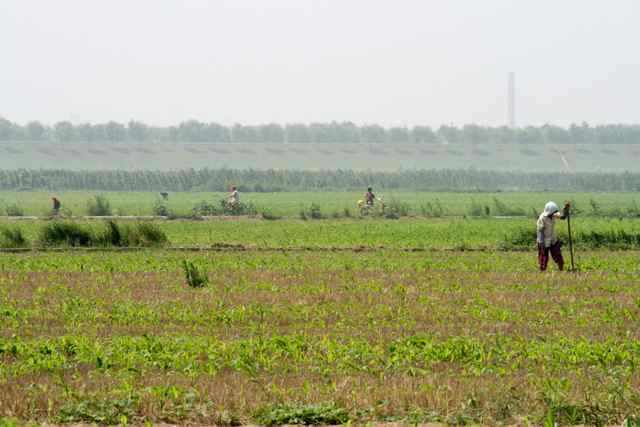
For those not quite interested in fireworks and dumplings, the Spring Festival mainly becomes a yearly pretext for reflecting upon the condition of Chinese peasants and the state of China’s countryside.

During the week of hearty celebrations for the new year, millions of temporary workers return from the cities where they are employed in manual, low-level occupations to their hometown in the countryside, where their family still lives and owns usage rights over a piece of land. Chinese migrants keep their family in the country for two main reasons: the first is that, under the current land use regulations, each rural household has the right to use a portion of the collective land of a village, and this right can be withdrawn if the land is left idle, or if no one is actually occupying the grounds. Having a member of the family still residing in the countryside, thus, becomes a feeble guarantee of not being deprived of the the land. The other reason, of course, is that migrants in cities do not have access to the basic social services –education, primary health- they could enjoy in their home village, so they prefer keeping parents and children in the country even though cultivating the land is often not a profitable activity for many Chinese farmers. And yet, all this is about to undergo profound transformations.

On October 12, the Plenary Assembly of the CCP approved the “Resolutions concerning the many important problems in the development of reform in the countryside”, a law draft aiming at boosting development of the rural areas in the country. Among the bold targets listed in the draft, the text pledges the duplication of the current average income of peasants by 2020, together with a generalized improvement of the living standards, consumption power, and cultural level of rural population in the countryside. For those used to look through the boasting and overly ceremonious texts of Chinese laws, there seems to be nothing to be excited about. And yet, disguised among the 20 and more pages of vacuous legalisms, a line has given the jitters to many Chinese, farmers and not: the Government plans to promote new forms of management of the rural land, which include transfer, sale, sublet, and shareholding.

In sum, a cryptic sentence seems to finally give the green light to privatization of land. As a matter of fact, rural privatization is already widely practiced by local governments, which confiscate land from farmers, and then sell it to private investors at high prices. Nonetheless, in case the draft were to be transformed into effective law, trading and privatization of land would be given a steep and unprecedented acceleration. Comprehensibly, this perspective has generated fervent debates among the Chinese Internet community, and since October forums and weblogs have been invaded by discussions and judgments about rural privatization. What is ultimately the prevalent opinion of webnauts towards land reform?

On one hand, many web users recognize the positive intentions behind the law framework and, at least on the paper, support privatization of rural land. In the forum of www.sohu.com, an anonymous reader so reassumes the position of supporters:

你们看懂了国家政策没:_国家这个决定是必须下的。土地向少数人手中集中便于生产规模化,学过经济的都知道只有规模到达一定大的时候才会产生效益,同时农民是转让土地不是无偿的交出土地,失去土地的农民可以去乡镇企业打工,可以离开土地但不离开家乡。中国有九亿农民是游离在市场经济以外的。国家让他们失去土地就是想把他们拉进市场经济体系里面来

Have you really understood this policy? This decision by the government was inevitable. Concentration of land in the hand of fewer helps intensive production, and only with intensive production it is possible to obtain a profitable production, everyone who has studied economics knows this. At the same time, the transfer of land is not without compensation, the farmers who sell their land will be able to work in rural industries, and thus leave the land but not the village. In China, nine hundred millions peasants are currently excluded from market economy; with this policy, the government wants to drag them into a market economy system.

On the same lines, China’s Future General adds from his blog:

还有个情况可能知道的人不多,那就是现在农村里的很多地是荒废着的。因为青壮年基本上都进城打工了,老人家没力气种地,更何况种了也是亏,于是地就荒在那儿了,老人家身体还好的,也就随便点上些小菜,自给自足而已。那租给别人种行不?可以,但是本来种自家的地就不赚钱了,谁还愿意花钱租人家的地来种呢?除非碰上有农业资本家下乡来了,租上你家的地用一用,但那种情况并不多。

那么农民们在一起搞合作经营集体经营行不行?还是不行。这固然比现在的单干好得多,但赚来的钱仍然是“僧多粥少”。比方说,外国十个人经营一百公顷的土地,赚了钱十个人分;中国一百个人经营一百公顷的土地,赚了钱一百个人分。就算中国和外国的这一百亩地赚到的钱是一样多的,但中国是一百个人分,那就太少了。所以“僧多粥少”的原因不是“粥少”,而是“僧多”,中国仍然需要把从事农业的人口数量降下来。

Something that few people know is that today a lot of land in the country is left idle. This is because the young people in a family all go to the cities to work, and the old people have no strength to cultivate; besides, cultivating the land gives no profit, so they might as well leave the land as it is, at the most old people can cultivate a bit of vegetable for personal use, and no more than that. So why not giving the land to someone who actually cultivates it? Today no one wants to rent land from households, because unless an investor comes from the city, and leases his family’s land, this would mean not earning any money. But such cases are rare. And then, are farmers’ collectives actually working? I don’t think so. Of course, this is better than cultivation made by single households, but the money earned has to be shared among too many people. In foreign countries, ten people manage one hundred acres, and thus they share the profits among ten; but in China, the same profits have to be shared among a hundred people, and they become obviously too small. In China the people cultivating the land are too many, and the government really needs to diminish the number of farmers.

Despite being generally in favor, many Internet users do not hide perplexities about the envisaged privatization plan. In a popular sohu.com forum, some users suggest:

中央的政策是好,就是从省,市,区,镇一级级传下来的执行力度比政策的优惠力度更待加强啊(广州)

The central policy is good, the only thing is that in order to enforce it through the provincial, the municipal, the township government and so on, it will require more strength.

问题在于如何保证农民自愿出让土地使用权,如何确保农民得到合理补偿,否则,就是新的土地兼并的开始。工业原始资本积累已经实现,现在开始农业了!!!

The question is how to ensure that peasant will be voluntarily giving away their land use right, and how to ensure that peasants receive a fair compensation. Otherwise, this will just be a start of a new land confiscation. The concentration of industrial resources has already happened, now they will start with rural resources!

国家的政策每次都很好,数据都很漂亮,可是这些数据里面的水分太多。全国经济普查、粮食普查、土地普查甚至人口普查都是假的,浪费了纳税人的钱却什么也没有得到,只是一些假的东西,这岂不是太可悲了!

The policies of the central governmental are always very good, the data nice and clear, but in these figures there are too many flaws. The economic statistics, the cereal production statistics, the land statistics, and even the population statistics are all counterfeited [by local governments]; who wastes money paying taxes does not receive anything in exchange, just counterfeited stuff, how can’t this be a tragedy!

In spite of these voices of approval, it seems that the majority of Chinese web users still keeps a very skeptical look towards the perspective of abolishing the collective ownership of rural land, and so losing the last bastion of socialism in a country torn between a hasty transition to the market economy, and resisting elements of a fading past. On the pages of Baidu Answers, hgf168 so answers to the question “why can't Chinese land be privatized”:

因为这是社会主义国家最后一个标志。其它东西都可以私有化,唯有土地不能私有化,否则就是实行资本主义制度。

Because [collective ownership of land] is the last bastion of out socialist system. All the other things can be privatized, but the land can't, otherwise China will transform into a capitalist system.

In the past years, Chinese websites have conducted surveys to sound off the opinion of peasants towards land privatization; the results have always been of strong opposition to reforming the current system. In regard, Chinese web users seem to have the same unconvinced attitude: in fact, roaming forums and blogs, the voices that oppose the plan largely outnumber those favorable to privatization.

Among the skeptical voices that have risen against rural reform, the one of Li Changping’s emerges. Mr. Li, a renowned rural governmental officer who keeps a much-frequented blog about rural issues, wrote a famous article right at the time of the Plenary Assembly, in which he urges China not to follow the example of the Philippines, which abruptly privatized their land causing great social turmoil and the impoverishment of the population:

笔者认为中国错误的农业和农村现代化政策已经产生了严重的后果。
首先,第一个后果是:小农依赖农民工工资维持小农家庭经营,如果长期这样下去,农民工在城市安居乐业就不可能,减少农民也不可能,城市化就会彻底失败;如果没有农民工工资维持小农家庭经营,小农就会大面积破产,“五个转变 。
第二个后果:中国农村经济占GDP总量的12%弱,其中种植业和养殖业大约占5%左右,只有这5%是农民的,其余都被非农民占有了。5%的GDP,要养活60%多的人口,是不可能的。两极分化是必然的,全面小康是不可能的。
后果之三:中国农民正在失去国内和国外“两个市场”,国内的土地密集型农产品市场正在逐步被跨国农业集团占领;国外的劳动密集型农产品市场正在被进入中国的日韩等“高科技农业园”抢占 。
毫无疑问,中国应该学习的是日韩和我国台湾农业和农村现代化模式,而应该避免走菲律宾失败的老路。

I believe that the wrong policy of rural modernization has already produced many negative consequences:
Firstly, farming households largely depend on the income of peasants working in the city; if things continue this way, peasants will not be able to work and live in the cities, and at the same time the number of rural population will not decrease. Urbanization is therefore bound to fail. If small-scale agriculture is merely supported by the incomes of migrant workers in cities, all these small agricultural activities are bound to go bankrupt, and the land will fall in the hands of entrepreneurs and foreign companies.
Secondly, the rural economy contributes for 12% of the country’s GDP, but of this just 5% is produced by peasants through husbandry, while the rest is produced by non-rural population. 5% of the GDP having to sustain 60% of China’s population, this is of course not possible.
Thirdly, Chinese peasants are losing touch with both the internal and the external rural market. The internal one, because the market of intensive production is gradually falling into the hands of big corporations; the external one, because the market of labor-intensive is being penetrated by high-technology Korean and Japanese companies.
For these reasons, we should follow the Korean, Japanese, and Taiwanese example in rural modernization, and instead avoid the wrong road taken by the Philippines.

On the pages of his blog Wen Tiejun, a prominent journalist and economist, uses even sharper tones to attack the idea of land privatization:

近年来理论界很关注“三农”问题,但不少学者却继续以西方的理论逻辑来套用于国情不同的本土问题。[。。。] 但把这种理论逻辑直接套用在发展中国家的“三农”问题上,则显然缺乏经验依据。反而是几乎所有人口过亿的大型发展中国家,在继承或采行西方制度之后,普遍受制于耕者无其田和城市贫民窟化,并由此造成社会动乱。[。。。]   事实上,西方发达国家得以顺利实现(请注意这里突出的是“顺利”)工业化、城市化和农业规模化、产业化的前提,本质是殖民主义和帝国主义。离开西方中心主义派生的这两个主流,西方模式的现代化就无从谈起。

Recently, theorists have paid much attention on the problems of the countryside, and yet many scholars keep on using western theories to address the basic issues of countries that are different from the west. […] There is no evidence or experience for having to use these theories in the context of the rural areas of developing countries. Conversely, in almost every big developing country that has adopted western-like land privatization, land has been largely expropriated and slums have appeared, and this has provoked social turmoil. […] As a matter of fact, the reason why western countries could so smoothly achieve industrialization, urbanization and intensive rural production, is thanks to colonialism and imperialism. If we take aside these two bastions of western ethnocentrism, western industrialization is impossible to conceive.

The positions of these two analysts have received warm praise by Chinese web users, especially as they stir the nationalist feelings that are strongly diffused in the young population. An anonymous mobile phone user posted an inflamed comment on the sohu.com forum platform:

想快富就卖地,出生的人还能分到地吗?到时把地都卖给外国人,那不就成了汉奸,我要搬家到城里,把地一卖出,一大片的好地就在中间有一个大楼盘在开发。在官商勾结一下,我们下辈子吃什么?做在办公室白吃,怎知粒粒都辛苦。

Rich people will buy the land, but will the new generations be able to have a part of this? Selling our land to foreigners, isn’t this national betrayal? If I decide to sell my land and go to the city, a piece of land good for cultivation would be wrecked by cement. If we let collusion of local governments and entrepreneurs go on, what will we eat in the future? Those who sit in an office and eat well don’t know how hard it is to cultivate grain by grain.

Besides, a large part of the web community is concerned with the conditions of peasants, and with the consequences that land privatization could have on the life of poor farmers. Here is a comment posted by a farmer about the privatization plan on sohu.com:

我是一个农民,为了生计。我只能出卖土地了。卖了好大一 笔钱,生活过得还不锖。二十年后,土地钱吃完了,穷的叮叮响,于是到土地家做长工,十年后还是一样,更穷了,为了生存权,于是只能揭杆起义了

I am a farmer, and I struggle for living; that’s why I cannot help but selling my land. After I get some money for it, I could live decently for a while. But 20 years later, after I have spent all the money from the sale of the land, I will have to go to the country and do manual jobs, after ten years I will be just as poor. For acquiring a right to exist, there is no other way than uprising.

From his blog, Yu Ran describes his investigation in the countryside and a conversation with some peasants:


到过的几个省份都有这么一些农民弃房舍、弃承包地,携子拖女的举家外出打工了,可当如今工作无着时再回到农村,他们发现自己已经失去了最最基本的生存保障——土地了(尽管有后来颁布的土地承包法,可是这些失地、失业农民大多都是在二次稳定土地承包权之前就放弃了承包,尽管他们放弃了承包土地,可他们的身份依然是农民,土地依然是他们的一切社会保障和生存最后防线)
   如今失地又失业的农民工现象已经不容忽视,目前多数还是一种隐性状态,还没有完全被人们所知晓所重视,一旦这些失业又失地的农民长期处在无业可就、无地可种、没有任何社会保障的境况下,他们将面临着严峻的生存危机,而不是收入高低的问题、城乡收入差距问题了。有些专家、学者还站在那里大谈“刺激农村消费,拉动内需……”之类的话,殊不知农村、农民连一个最为基本的社会保障体系还都没有时,你一味的只想着让农民怎么去花钱,刺激一时的经济增长,不知这样短视的经济增长方式对整个和谐社会的发展是利还是害?

In every province we can see the phenomenon of farmers who give up their collective housing, give up their use right on the land, and go to the city to work together with their families. But when they return to their homes because they have lost their job, they find out that they have lost their most basic life guarantee: land. Even if there is a new project of reforming land use regulations, most of these farmers who have lost job and land have given up their right before the reform, they still have the label of “farmers” on their residence permit, and so land still remains their only way for surviving.
The phenomenon of unemployed, land-deprived farmers cannot be disregarded. Their problem is not a matter of high or low standards of living, of difference of income between the cities and the countryside; their problem is a matter of survival. Many scholars brag about “sustaining the farmers’ consumption rates, stimulating internal demand”; but what money should farmers who have lost all their basic life guarantees spend? Having such a lack of foresight on these economic problems will have positive or negative effects on our “harmonious society”?

In sum, for most Chinese web users a reform of rural land only risks to give way to an even more ferocious impoverishment of the countryside and of its farmers. In order to obtain the favors of an increasingly conscious Internet public opinion, the government will have to give convincing explaination on how to fight land expropriation, and on how to improve the conditions of farmers and migrant workers. Although inhabitants of a virtual world, Chinese bloggers seem to have a clear idea of the tangible needs of the rural population.