
Stories about Japanese
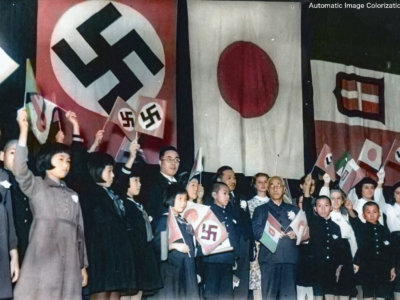
Japan officially rebukes Ukraine for comparing wartime emperor with Hitler, Mussolini
"You can love Japan, and be proud to be Japanese, without defending this history of fascism."

Excitement, misgivings over Japan's newest bullet train
The public is questioning the very utility of the new West Kyushu shinkansen line, which complicates travel in certain areas and remains only partially completed.
Omicron prompts Japan to attempt “national isolation” once more

Following the identification of a new strain of COVID-19, the Japanese government briefly attempted to completely seal the country's air and sea borders.
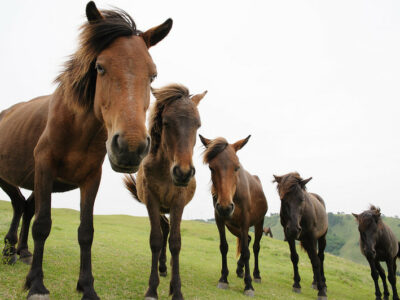
A McDonald's drive-through in Japan gets a visit from a sacred horse
A popular post on Japanese Twitter provides a glimpse into the long connection between horses and Shinto shrines in Japan.
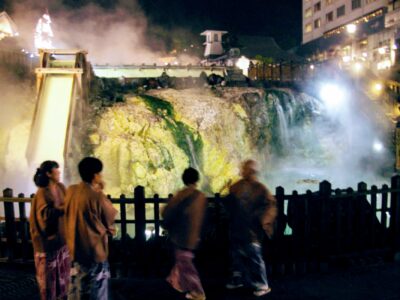
Prefecture threatens to sue after being ranked one of the “least attractive” places in Japan
The annual survey asks respondents all over Japan to rank the attractiveness of the nation's 47 prefectures based on 84 different attributes, including natural features, cuisine, and tourist attractions.
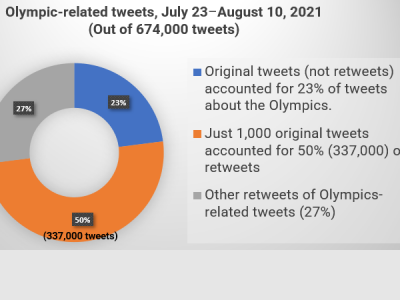
What did Japanese people really think about the Olympics?
To gauge public sentiment following the end of the Olympics, Global Voices used the Twitter API to track the online conversation.
Train attack in Japan exposes misogyny and gender violence
"The common trait among mass shooters, serial killers, and other serial perpetrators of gendered violence is an intense hatred of women."
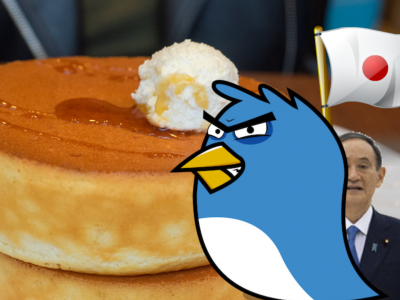
Twitter Japan appears to suspend government critics

Twitter Japan typically provides no explanation for the bans, or why accounts are restored.

Japanese brown bear runs amok in Hokkaido island's largest city
The incident illustrates the increasing interactions between bears and humans in Japan.

Tokyo Olympics: A symbol of the divide in Japanese society
Using Twitter's public API, Global Voices analyzed more than 2.5 million Japanese-language tweets to gauge public sentiment around the Tokyo Olympic Games.

Resistance, rebellion, and rage: Japan's opposition to the Tokyo Olympics
As Japan continues to struggle with a new wave of COVID-19 infections, opposition to the upcoming Tokyo Olympic and Paralympic Games continues to build.

Netflix’s new series on Yasuke, the African samurai, is a new dawn for Black characters in animation
Rather than a biography of the African Samurai, the a six-part series takes the void of knowledge post-1582 as a starting point to a re-imagined alternate reality and fantastical story.
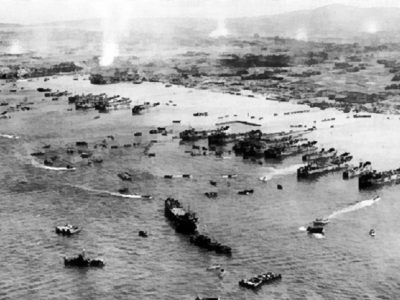
Tweeting to remember: Twitter account commemorates Japan's 1945 Battle of Okinawa
"On This Date During the Battle of Okinawa, 76 Years Ago" shares daily links to blog posts that describe the battle, typically from the point of view of citizens of Okinawa.

Japan announces timeline to dilute, dump radioactive water from Fukushima plant
The decision to release the wastewater poses seriously implications for fishing communities along the Fukushima coastline.

In another blow for Japan's Summer Games, male chauvinist “Olympig” is forced to resign
Yet another setback for the 2020 Olympic games, already postponed a year because of the COVID-19 pandemic, and plagued with gaffes.
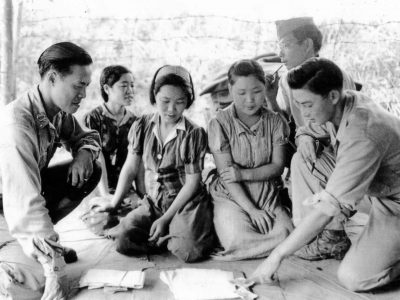
Prominent Harvard professor pilloried for peddling revisionist history about wartime ‘comfort women’
Historians familiar with wartime sexual slavery perpetrated by Japanese armed forces point out that the professor, J. Mark Ramseyer, has long championed historical revisionism.

Olympic head's misogynistic remarks highlight Japan's persisting sexism
Support for Mori by men in prominent leadership positions suggests that anti-women attitudes are in fact quite normal in the country.

Japanese skincare company faces online backlash and boycott after CEO's racist remarks
Critics are also drawing attention to the DHC's connections to the Japanese far-right and its efforts to distribute conspiracy theories online.

How Japan followed the US presidential election

In Japan, Trump is not always regarded with the dismissiveness or loathing that is so common in the United States or even in Canada.
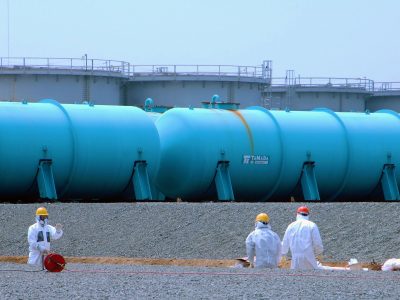
Decision to dump radioactive water from the Fukushima nuclear disaster site into the ocean sparks alarm
About 1.25 million tonnes of contaminated water is currently stored at the Fukushima Daiichi installation.

This beatboxing Buddhist monk from Japan is making music to ‘reduce suffering’
Yogetsu Asakusa combines beatboxing beats with traditional Buddhist sutras.